



There is consistent evidence that using wood in place of carbon intensive materials such as concrete and steel is important for tackling climate change.

Building with biomass
Timber construction is important for preventing climate change. It acts as a form of carbon capture and storage, displaces energy intensive materials such as concrete and steel, and promotes sustainable forestry worldwide.
As the result of modern engineering techniques, wood is stronger, more durable, and has more uses than ever before. Meanwhile the growth of the market for sustainable timber is promoting better forestry around the world, with market powers becoming a force for good by lifting living standards and environmental practices in developing countries.
We’ve sought to bring together some of the most important papers and research for your use, whether as a policy maker, think tank, or just as an interested individual.

Creating a low-carbon economy
We need to change the way our economy operates if we are to meet our climate change goals. This includes shifting to a more sustainable, carbon-zero economy.
The environmental credentials of wood, combined with it’s uniquely low impact production, manufacturing processes and performance characteristics, all make timber the ultimate low carbon solution.
The UK Government was the first major economy in the world to pledge to achieve net zero carbon by 2050. As a replenishable material, able to lock in carbon and store it for hundreds of years, timber is important to achieving this goal.
It is clear timber will become a more important product the world over, and the UK timber industry have been positioning themselves as leaders in this growing global field through research and best practice.
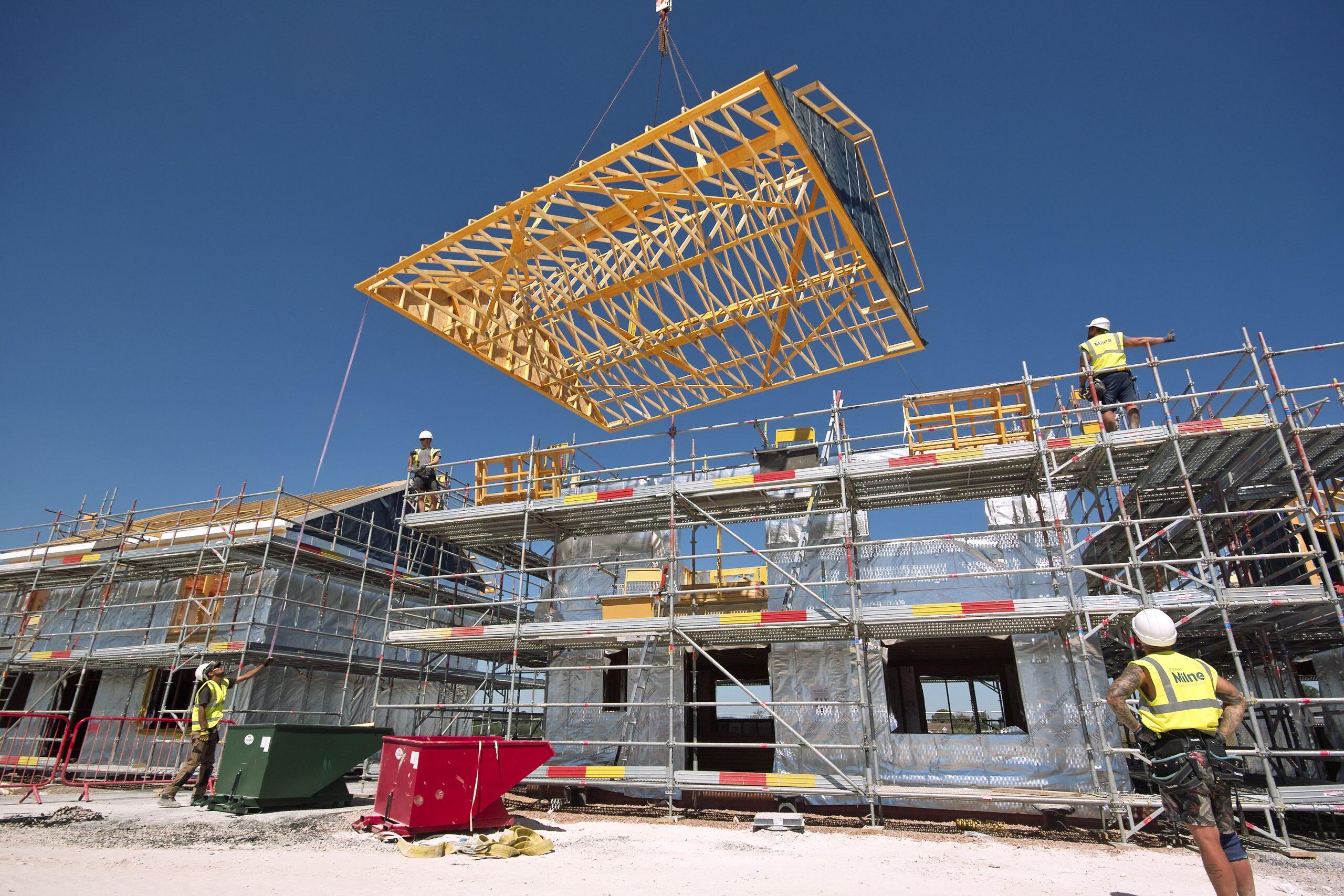
Modern methods of construction
Modern Methods of Construction (MMC) are widely accepted as integral to lifting the productivity and sustainability of construction in the UK. Together the climate crisis and a looming skills shortage are increasing the importance of the industry embracing MMC.
Timber should have a natural advantage in this new policy environment. An emphasis on speed creates a preference for offsite, and emphasis on offsite creates a preference for timber. This is because timber is a light, versatile material which lends itself to manufacturing processes.
Timber has a long history as a forerunner of MMC, and offsite construction, through timber frame, while engineered timbers are continuing to expand the range and use of MMC and timber in construction.