



04 Feb #RSUDC21 Day Three: Sustainable Timber and Offsite Manufacture
Written by: Jessica Buckle and Tabitha Binding
Sustainable timber offers a range of environmental and sustainable solutions to built environment professionals, students learnt on day two of the #RSUDC21 webinar series.
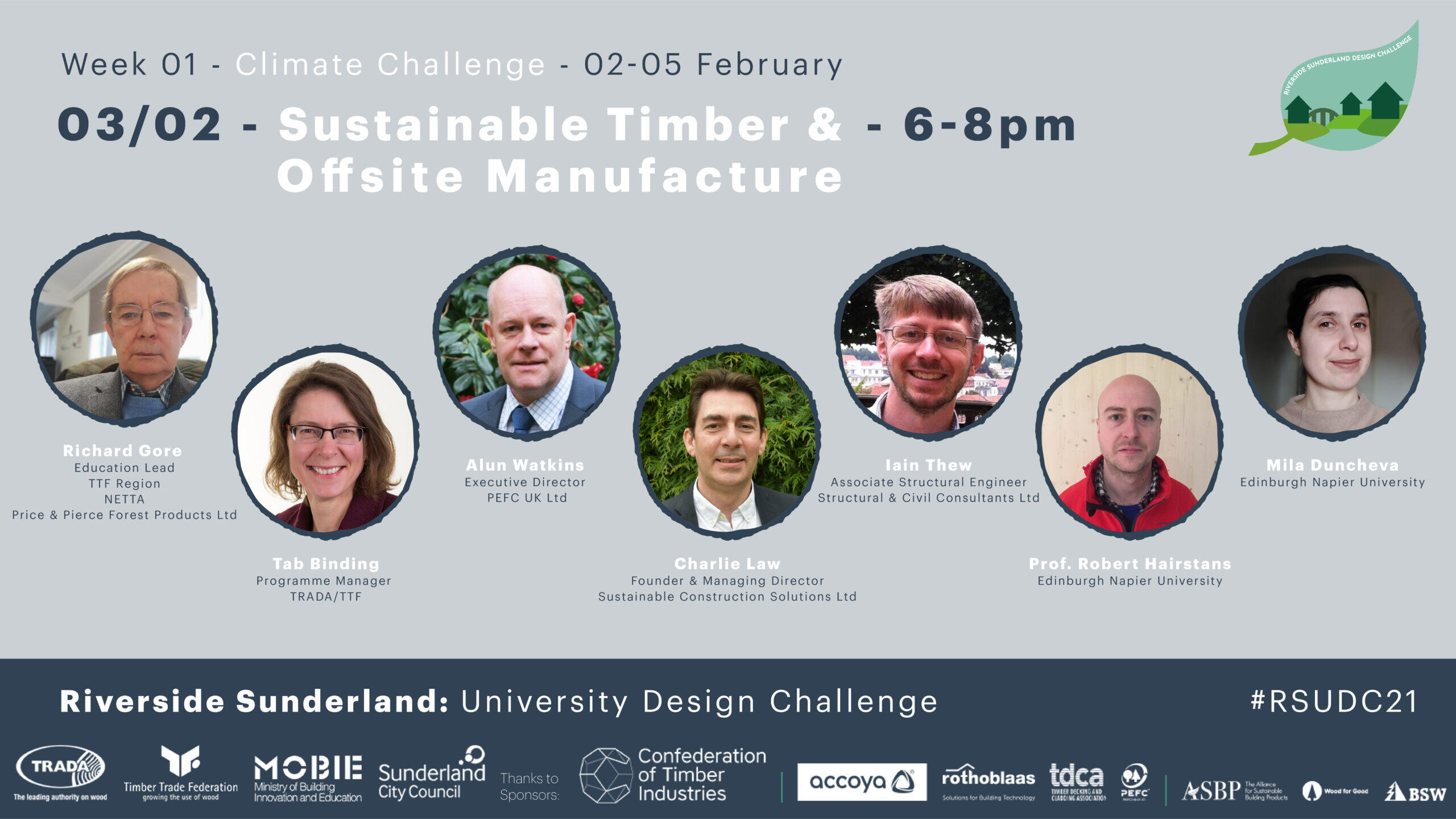
The Riverside Sunderland: University Design Challenge (#RSUDC21) and interactive webinar series continued with ‘Day 3: Sustainable Timber and Offsite Manufacture’ last night, bringing together leaders from the timber and sustainable construction industry, both educators and professionals, to discuss timber origin, certification, structural timber (solid and engineered) and offsite manufacture.
The evening commenced with Education Lead at NETTA, Richard Gore. The North East Timber Trade Association (NETTA) is one of the six Timber Trade Federation (TTF) regions, which work together to promote sustainable timber. Through defined standards of trade in wood products encompassed in the TTF’s Code of Conduct, and regular audits to ensure adherence to these rules via the TTF’s Responsible Purchasing Policy System the industry constantly is working to ensure there is minimal risk of any unlawful timber entering the supply chain. Gore urges listeners to make use of resources from NETTA members and the TTF, with both organisations providing a wealth of essential, free, information for built environment professionals.
TRADA and TTF Programme Manager, Tabitha Binding, discussed the lifespan and important evolution of the humble tree. Wood has a unique quality in that it has visual and tactile appeal to almost everyone. However, it is imperative to understand the species, characteristics, qualities and classifications of wood along with where you plan to use it to deploy this material effectively and appropriately.
Moisture in timber is one of the most important factors to think about when specifying and using timber, as it is a hydroscopic material. This means timber adsorbs and desorbs moisture to reach an equilibrium moisture content when in use. Further information will be given in Week 3 Webinar 3 ‘Timber Challenges’. TRADA also provides extensive Academic Resources, including technical information, publications, case studies and articles, which continue to be developed through the University Engagement Programme, of which this webinar series derives from.
Executive Director of Programme for the Endorsement of Forest Certification (PEFC) UK, Alun Watkins, talked on this international non-profit, non-governmental organisation dedicated to promoting Sustainable Forest Management (SFM) through independent third-party certification. PEFC works throughout the entire forest supply chain to promote good practice in the forest and to ensure that timber and non-timber forest products are produced with respect to the highest ecological, social and ethical standards. Watkins highlighted the importance of certification and checking for certification logos, as well as, echoing some of the benefits using timber wisely provides; preserving biodiversity, disturbing climate change and reducing carbon emissions.
Founder and Managing Director of Sustainable Construction Solutions Ltd, Charlie Law, followed discussing responsible timber sourcing, and elaborating upon Watkins’ statement of the importance of forest certification. As the UK timber market consumes around 17 million cubic metres of sustainable timber per year, we play an important role in promoting sustainable forest management. This requires equilibrium between extracted and regenerated wood sources. While European forests have grown in area by 9% thanks to such practices over the last 25 years, the world continues to face deforestation according to data from the United Nations Food and Agriculture Organisation; primarily in tropical countries. UK law requires responsible, sustainable, timber procurement, which considers timber specification, sourcing and certification. This helps ensure timber used in the UK construction market helps promote the preservation of forests. De-carbonising construction, by using timber, can both preserve existing plantation forestry and increase forestry cover worldwide.
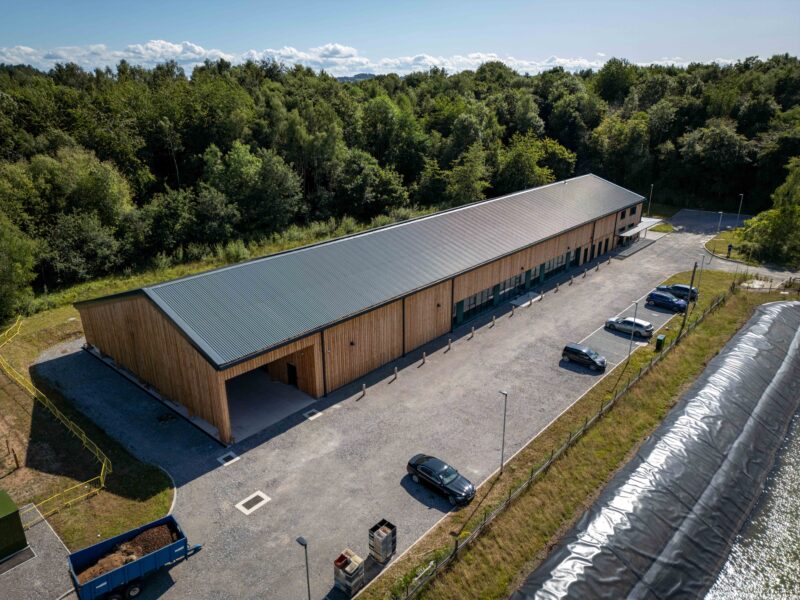
Structural timber that the participants will focus on in this construction challenge, Law reiterated, comes from certified, sustainable, managed forests from the UK, EU and Baltics that are planted for timber production. By using this softwood timber, in construction, we are locking up the carbon sequestered within these harvested wood products during the trees growth, which adds to the pool of carbon stored within the built environment.
Associate Structural Engineer, Structural and Civil Consultants Ltd, Iain Thew, discusses sustainable timber as a structural material. Wood presents many advantages; through sustainable forest management it is plentiful, requiring little energy to produce, it is durable, performs well under tension, compression and bending, and has an impressive strength to weight ratio.
There are thousands of species, and environmental conditions also affect how trees grow. Colder climates can mean slower growth and a denser, stronger timber. This means classifying both the species and its country of origin is essential for timber to be used appropriately and to its full potential, according to its Use Class. Thew explains these strength classes, design stresses, and the limitations of timber within the construction process. Thew finished by talking on engineered timber solutions, allocated within different scenarios; engineered timber, solid web and metal web ‘I’ joists, as well as modern innovations such as glulam timber and cross-laminated timber (CLT).
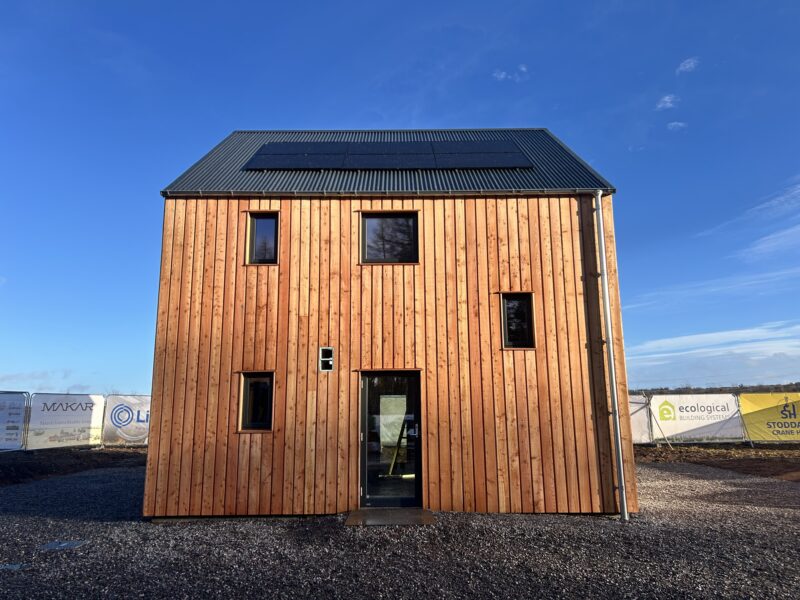
Edinburgh Napier University’s Professor Robert Hairstans discussed thematic areas; including off-site productivity and capacity, the limits of human capital, and rise of mass timber construction and digitalisation. This is leading to a push towards off-site construction in the UK, in which timber has long played a role. Modern Methods of Construction using timber such as panellised units, volumetric construction and hybrid techniques are helping overcome some of the productivity problems faced by the UK.
Hairstans refers to inspirational case studies such as The Wikihouse Project, a UK based nonprofit open technological organisation maintained by Open System Lab. A form of mobile and digital manufacturing; effective, efficient and ensures a minimisation of waste. Within today’s climate, it is fundamental to improve levels of productivity, balancing the input and output of a construction methods against its wider context, including social and environmental.
Professor Hairstans concluded with a graphical off-site manufacturing diagram echoing the importance of sustainability, culture, human capital, productivity, digitalisation and regulatory frameworks to define project properties, modify the dial accordingly, and maximise potential within the built environment. Hairstans as followed by a lecturer in Architectural Technology at Edinburgh Napier University, Mila Duncheva, who educates her students to build a sustainable future and is involved in developing ‘Off Site Ready’ project, a series of collaborative events and online modules.
The project, which is funded by the Construction Industry Training Board (CITB), will offer a range of free-to-access online learning resources and face-to-face training events intended to build capacity in the UK education and skills system, and ensure colleges, universities and training providers are well placed to respond to the growth in offsite construction in the UK. The objectives of Off Site Ready are to increase the knowledge skills and capabilities of trainers and practitioners within the industry and education about off-site construction, provide a comprehensive suite of online, flexible training materials through an accessible platform and deliver widespread training.
Duncheva acknowledges that building systems have advanced and education does not currently reflect these new methods of construction. The Off Site framework is underpinned by the CITB document ‘Faster, Smarter, More Efficient: Building Skills for Offsite Construction’ documenting essential research within the development of offsite construction developments. Duncheva believes a creative mindset, technical knowledge and collaborative working capabilities provides endless opportunities, especially within this design challenge.
With special thanks to our Gold Sponsor, Confederation of Timber Industries, our Silver Sponsors Rothoblaas, Accoya, PEFC UK and TDCA, our Bronze Sponsors ASBP, BSW and Wood for Good.
All submission and registration information is available on the TRADA, TTF and MOBIE websites, or within the brief which will be distributed to those registered. Registration remains open until 26 February 2021. There will be Q&A opportunities at the end of each webinar.
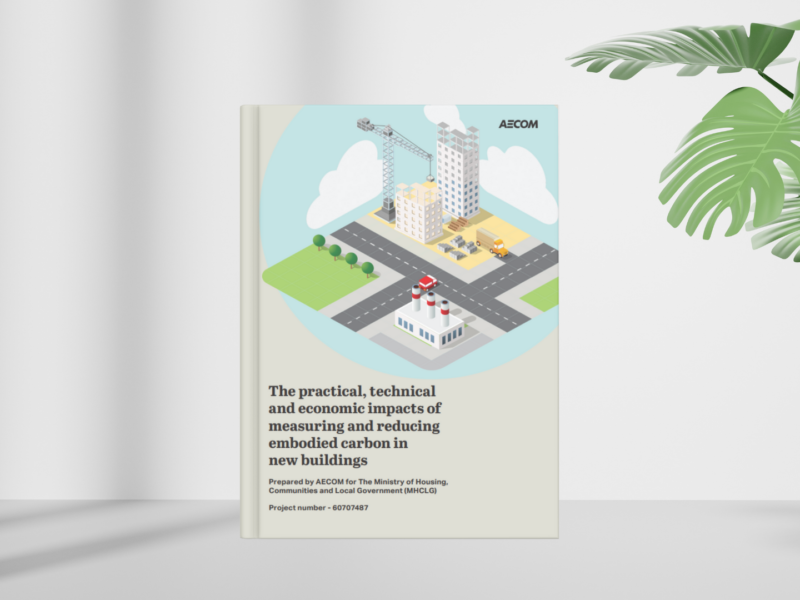
This evening the #RSUDC21 webinar series continues with ‘Counting Carbon’ a master class on operational and embodied carbon, Life Cycle Assessments (LCA’s) and Environmental Product Declarations (EPD’s), as well as Carbon Calculators as essential tools; FCBS Carbon, PHribbon and AECB’s new standalone calculator! Introduced by Adam Vaughn RIBA North East, our speakers are Jane Anderson, Joe Jack Williams and Tim Martel. Register by 4.30pm to join us this evening via EventBrite.
Students can register their interest for the competition and find further information on the partners and sponsors websites at TRADA, CTI, or MOBIE.