


26 Feb #RSUDC21 Day 13: Future Homes
Written by: Jessica Buckle and Tabitha Binding
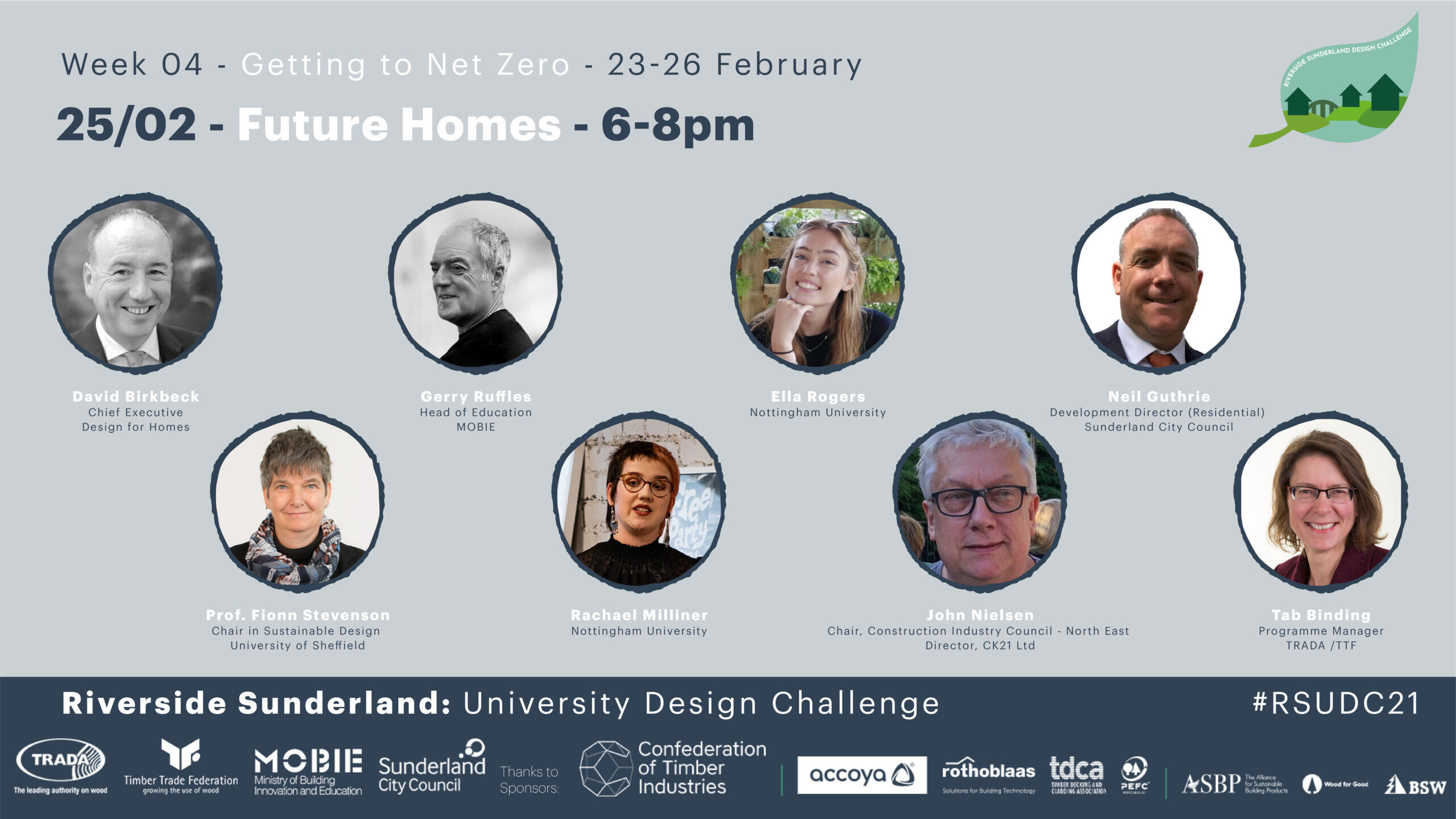
Last night marked the final evening of the #RSUDC21 webinar series, rounding off with a direct emphasis on ‘future homes’ and building for a changing world, as people engage with the built environment in new ways we must adjust our methods.
Building for Life Director, David Birkbeck, brought this concept to life as he showed how new styles have emerged over the past three centuries, with apartments, once considered an aberration by British architects, becoming a staple of modern design.
Progress has never stopped. Citing award winning examples, including d Proctor and Matthews’ Great Kneighton project, which David said he believes is “one of the best developments in Western Europe, he highlighted how architects are making better spaces for people.
Professor of Sustainable Design at the University of Sheffield, Fionn Stevenson, followed this by saying design intentions are only as good as our knowledge of how they are used. There are no legal requirements for post occupancy evaluation (POE) of our buildings, but this knowledge is extremely valuable, enabling us to revise and improve future designs.
Yesterday, the Architects Registration Board (ARB) requested that students are taught POE in architecture schools. Steps like these represent the evolving expectations of the architect, and the need to improve practice to overcome the crises we face in the twenty-first century.
Housing POE guidance is available through sources such as ‘Housing Fit For Purpose’ by Fionn Stevenson and ‘Building Performance Evaluation Guide’ by Wood Knowledge Wales’, providing both practical and technical know-how.
Head of Education at MOBIE Gerry Ruffles next introduced two successful competitors from there recent Homes of 2030 young person’s competition run with MHCLG. University of Nottingham Alumni, Rachael Milliner was the overall winner of the challenge and Ella Rogers was awarded runner up.
Milliner’s ambition through ‘Urban Co-Existing’ was to reinvigorate sustainable urban living, introducing animals, urban farming and nature back into the built environment, which is mutually beneficial to all.
Rogers’ design ‘The Meadows Densification: Older Women’s Co-Housing’ focused on social sustainability, creating environments of which are size appropriate, flexible, accessible, secure and interactive. Reducing social isolation without impacting independence or privacy.
Social isolation and loneliness, especially within today’s climate and during the Covid-19 pandemic, is an extremely important issue which design can help address. The competition highlighted the tremendous skills, talent and vision of the younger generation when asked to tackle future challenges, such as the climate emergency, on the journey to zero carbon emissions, said Gerry.
Chair of Construction Industry Council North East and CK21 Ltd, John Neilson emphasised the importance of interdisciplinary teamwork and inclusivity to deliver a holistic solution, solving problems highly emergent from current crisis.
While architects may lead the design process, landscape architects, engineers, quantity surveyors and many others provide the ability and knowledge for the designs to be attained. Roles are evolving and understanding one another’s function is integral to a successful design process.
Development Director at Sutherland City Council, Neil Guthrie tells the story of Riverside Sunderland and emphasised the journey the site has undertaken, from its history in coal-mining and now into a site for low-carbon housing.
The changing nature of the Riverside Sunderland site is a reflection of the city itself, including its current development into a destination which encourages people to take charge of their health and wellbeing and engage with nature. A central hub regrowing the community spirit and providing a place to learn, live play and work, and a nod to Sunderland’s heritage and future ambition.
TRADA and TTF Programme Manager, Tabitha Binding concluded the month long webinar series by echoing the extensive opportunities for timber within a palette of materials for our future net zero homes.
“Timber is the best sustainable renewable material that we can use in the construction and fit out of our future homes, and meet our climate commitments, but we must understand timber to use it well, and wisely.
“Beyond the use of timber, construction needs to be understood as a skilled exciting industry. We need silo’s to be broken down and Inter-disciplinary teams to come together to design and build great low-carbon schemes – understanding, appreciating and learning from each other to find efficient, effective, economic solutions to any design challenge.
“Where better to begin to build interdisciplinary networks than at university? The #RSUDC21 competition offers students a chance to engage with wood as a material, learn about working in multidisciplinary teams, and prepare for the real world of work and a healthier biodiverse low-carbon future.
“Increasing the use of wood in construction has been repeatedly cited by the UK Climate Change Committee as an essential element of reaching carbon zero, and today’s built environment professionals must understand it.”
There is still time to participate in the challenge, drop Tabitha an email at tbinding@ttf.co.uk if you have any questions.
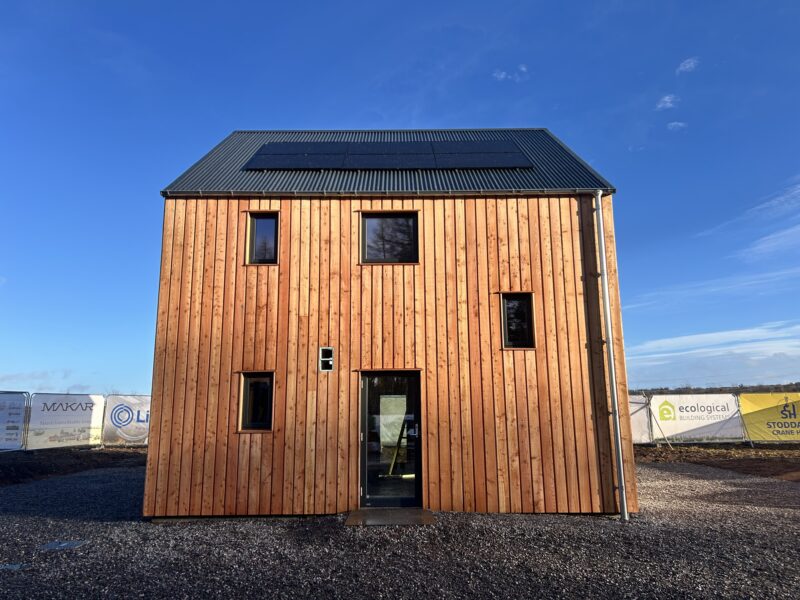
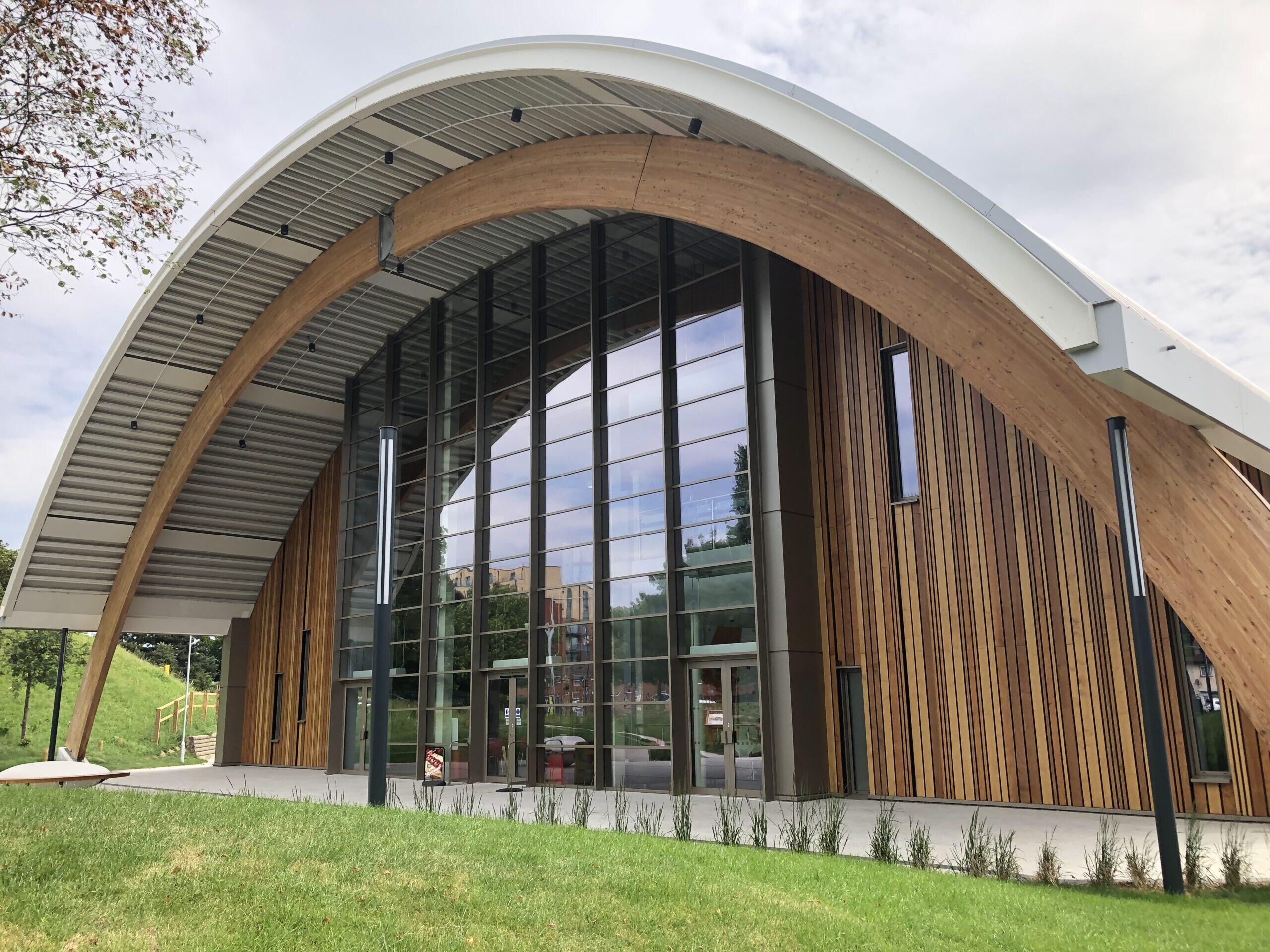
Picture credit: Accoya, via Timber Trade Federation
With special thanks to our Gold Sponsor, Confederation of Timber Industries, our Silver Sponsors Rothoblaas, Accoya, PEFC UK and TDCA, our Bronze Sponsors ASBP, BSW and Wood for Good.
All submission and registration information is available on the TRADA, TTF and MOBIE websites, or within the brief which will be distributed to those registered. Registration remains open until 26 February 2021. There will be Q&A opportunities at the end of each webinar.
Our final ‘Open House’ informal networking and discussion event is this evening which brings together like-minded leaders from the construction industry, educators, students and professionals, climate change pioneers. To join us book via EventBrite.
Students can register their interest for the competition and find further information on the partners and sponsors websites at TRADA, CTI, or MOBIE.